

A host should build excitement, guide the program and protect the event’s credibility. Calling a concert a historic “first” requires more than enthusiasm.
A concert needs more than a performer, a band and a crowd. It needs someone who can guide the audience through the evening while the production team handles the work behind the stage. That person is the Master of Ceremonies, or MC.
As HMI artists and organizers pursue concerts and festivals in larger venues, they should treat hosting as a professional production role. Popularity may help an MC connect with the room, but preparation, judgment and accurate communication are what make that connection useful.
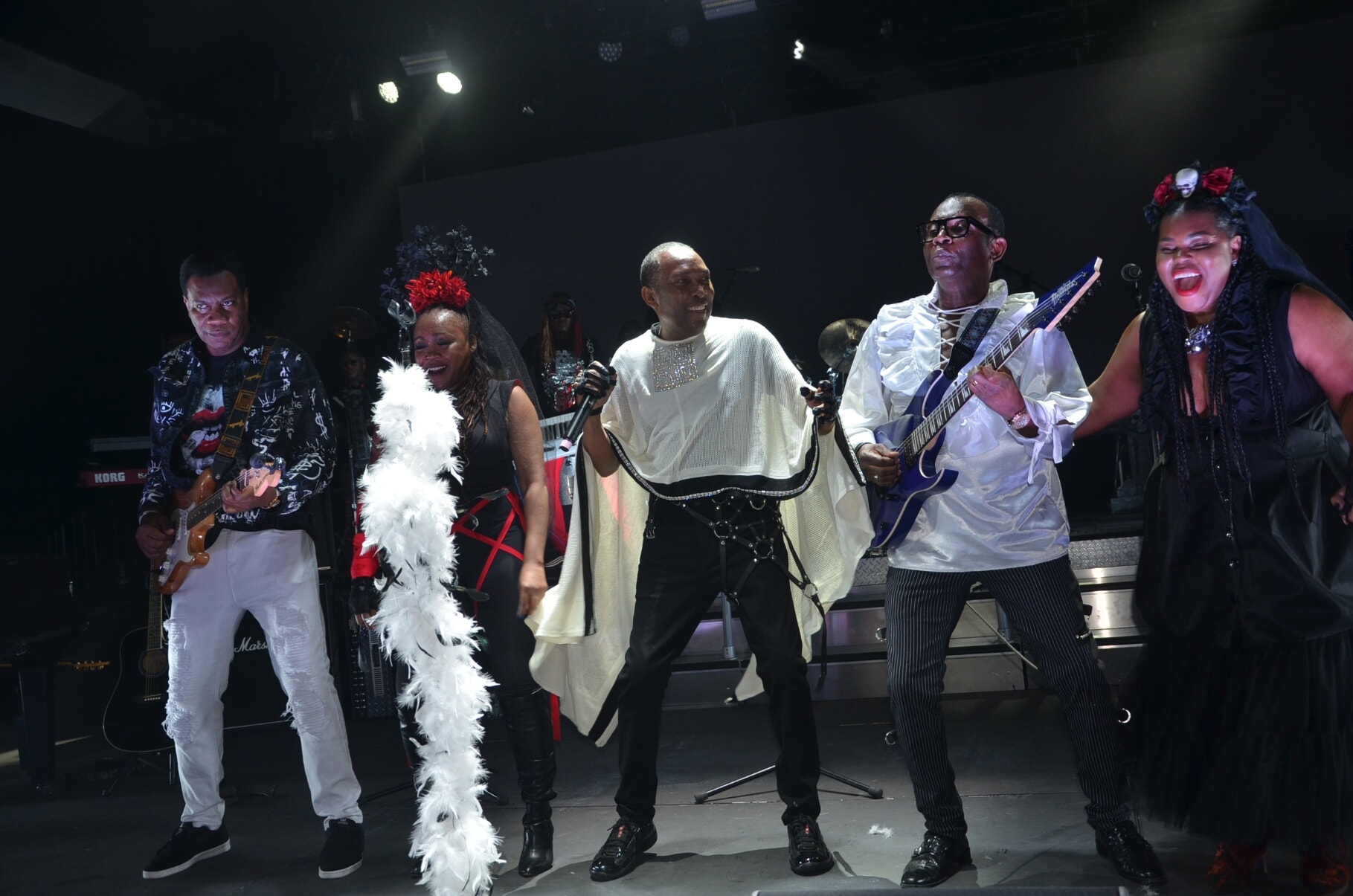
The discussion around Carel Pedre’s reported remarks at Rutshelle Guillaume’s 12 ERA concert at MGM Music Hall at Fenway illustrates the stakes. An MC can celebrate an achievement enthusiastically. But when enthusiasm becomes a claim about musical history, the words need evidence.
The MC connects the audience to the program
The MC welcomes the audience, explains the evening’s format, introduces performers and gives necessary announcements. Introductions should be brief, prepared and accurate, including names and pronunciation. Toastmasters International’s guidance for emcees also emphasizes clarifying the organizer’s expectations, rehearsing onsite, managing speaking time, preparing for unexpected problems and reviewing performance afterward. These are useful foundations for concert hosting, although its guidance is not a binding concert-industry standard.
For an HMI event, organizers should translate those foundations into a practical assignment: who the MC introduces, when the MC speaks, how long each segment lasts, which languages the host uses and who authorizes changes.
The host’s presence should support the performers. A long speech that delays the next act can drain the room, even if the audience likes the speaker. Humor, audience interaction and applause prompts work best when they serve the program and suit the audience.
Stage coordination matters as much as charisma
Organizers should give the MC a running order with performance slots, introductions, sponsor acknowledgments and planned transitions. A designated stage manager or producer should communicate when the next act is ready. The MC should not announce an artist’s entrance while technicians are still preparing the stage.
At a festival, the host may also help audiences understand stage locations, schedule changes and gaps between sets. At a solo concert, introductions and interruptions should fit the artist’s musical pacing. These are different assignments, and the contract and rehearsal should reflect that difference.
If there is a delay, the MC should receive an approved explanation and keep it concise. Announcing an unsupported restart time or blaming a musician publicly can make a production problem worse. During a safety incident, the MC should follow instructions from the designated event and venue authorities, rather than improvise crowd-control directions.
Sponsors need an agreed script
Sponsor acknowledgments should be settled before the show. The production team should provide the correct business names, pronunciations, approved wording and timing. Organizers must distinguish a contractual acknowledgment from an informal request for a shout-out.
The MC cannot be expected to reconstruct sponsorship agreements onstage. Equally, the organizer cannot assume that logos on a poster will satisfy a promise to mention a sponsor verbally. A shared script helps prevent disputes about what was expected and what was delivered.
The MC also needs boundaries for promotional claims. “Sold out,” “record attendance” and “the first” are factual assertions that organizers should substantiate before putting them into the host’s script.
Carel’s reported statement: where celebration became a historical claim
The transcription supplied for this commentary attributes the following statement to Carel at 12 ERA:
“Nan tout seri gro konse ou tande kap fet yo, sa se premye gro konse yon fanm fe nan biznis la.”
In English: “Among all the big concerts you hear about taking place, this is the first big concert a woman has done in the business.”
The problem with that wording is its scope. It does not specify a first at MGM, a particular concert format, an attendance threshold or a clearly defined geographic market. “In the business” sounds like a broad claim about HMI history.
The professional mistake in the reported wording is making an undefined historical superlative sound like an established fact. It is not necessary to question Carel’s intention, dismiss his career or deny Rutshelle’s achievement to identify that error.
Defenders have argued that an MC’s job is to give the event emotional and symbolic importance. That is a legitimate part of hosting. However, “a remarkable achievement” and “the first major concert by a woman” communicate different things. The first is celebratory judgment; the second asserts historical priority.
Carel could have celebrated the performance as an ambitious concert, a memorable evening or a major milestone in Rutshelle’s career. Those formulations would have conveyed excitement without making an unsupported comparison with every earlier female artist.
Boston’s musical history deserves research
A published concert archive maintained by Tamise lists Emeline Michel at Boston’s Strand Theater in January 2010. That record is a concrete reason to examine earlier performances before presenting a broad claim about female Haitian artists’ concert history in Boston.
It does not, on its own, establish attendance, ticket sales, production scale or whether that event matches a particular definition of “major.” It also does not verify the separate claim that Emeline’s concerts were an annual Strand tradition for more than five years. Those details would require additional dated records.
The correct response is to define the category and research it. Was the claimed first about the venue, solo headlining, production investment, paid attendance or a particular market? There is no single universal threshold that makes every event a “big concert.”
Artists who co-headline, work with bands or perform at festivals should not have their contributions dismissed simply because their event format differs from a later solo showcase. Meaningful comparisons explain those differences.
An MC can be accountable without carrying every organizer’s responsibility
The artist delivers the performance, the promoter handles the event’s commercial arrangements, the production team manages the show and the venue oversees its own operations. The MC communicates the program to the audience and should know where that authority begins and ends.
A host is not automatically responsible for an organizer’s ticket accounts or sponsorship dispute. But the host is responsible for exercising care with the words spoken into the microphone. Reading a supplied script does not make an obviously sweeping factual claim immune from scrutiny.
When a mistake occurs, the professional response is a specific correction: identify the wording, clarify the intended category and acknowledge any claim that cannot be supported. Defending an exaggeration as necessary entertainment only weakens trust.
Five questions organizers should ask an MC
- How will you verify introductions and claims such as “first,” “biggest” or “sold out”?
Ask what sources the MC will use and who approves factual wording. A promoter’s enthusiasm should not be the only basis for a historical claim. - How will you coordinate with the stage manager and keep your segments within the running order?
The answer should identify a communication method, timing expectations and what happens when the program changes. - How will you handle a technical delay or safety announcement?
The MC should know who supplies approved information and avoid promises, blame or instructions beyond the host’s authority. - How will you deliver sponsor acknowledgments accurately and fairly?
Confirm the approved list, pronunciation, wording and placement in the program before the event begins. - If you make a factual mistake onstage, how will you correct it?
Look for a willingness to issue a clear correction and review the performance afterward, rather than dismiss reasonable questions as hostility.
HMI organizers should hire an MC for preparation and judgment as well as recognition. A well-run concert gives the audience excitement, clear information and confidence in what it hears. The microphone can elevate an achievement without rewriting the history around it.