

From borrowed artistic prestige to philosophical self-branding, the question is what Wendyyy contributes beyond familiar references.
A famous painter’s name can suggest genius before the first bar. A philosophical label can suggest wisdom before the first argument. Wendyyy uses both in “Picasso” and “Stoïcien,” placing his artistic persona beside cultural references whose prestige was established long before his songs. The question is what his writing adds to them.
Rap kreyòl belongs to the wider hip-hop tradition. Its American influences help explain familiar conventions: competitive boasting, claims of supremacy, motivational messages and references to celebrated figures. But influence does not make Haitian rap incapable of originality. The creative test is how an artist reshapes inherited material through language, experience and perspective.
Hip-hop itself emerged from Black and Latino youth culture in the United States, with musical roots that also include African, Jamaican and Latin traditions. Its history is one of cultural exchange. That makes borrowing unsurprising; it also makes claims of unprecedented invention worth examining.
Jay-Z released “Picasso Baby” on Magna Carta… Holy Grail in 2013. The accompanying performance art film further connected his rap presentation with fine art. Universal Music describes a video shoot in which he performed the song for more than six hours. Wendyyy’s later use of Picasso therefore enters territory a major American rapper had already explored.
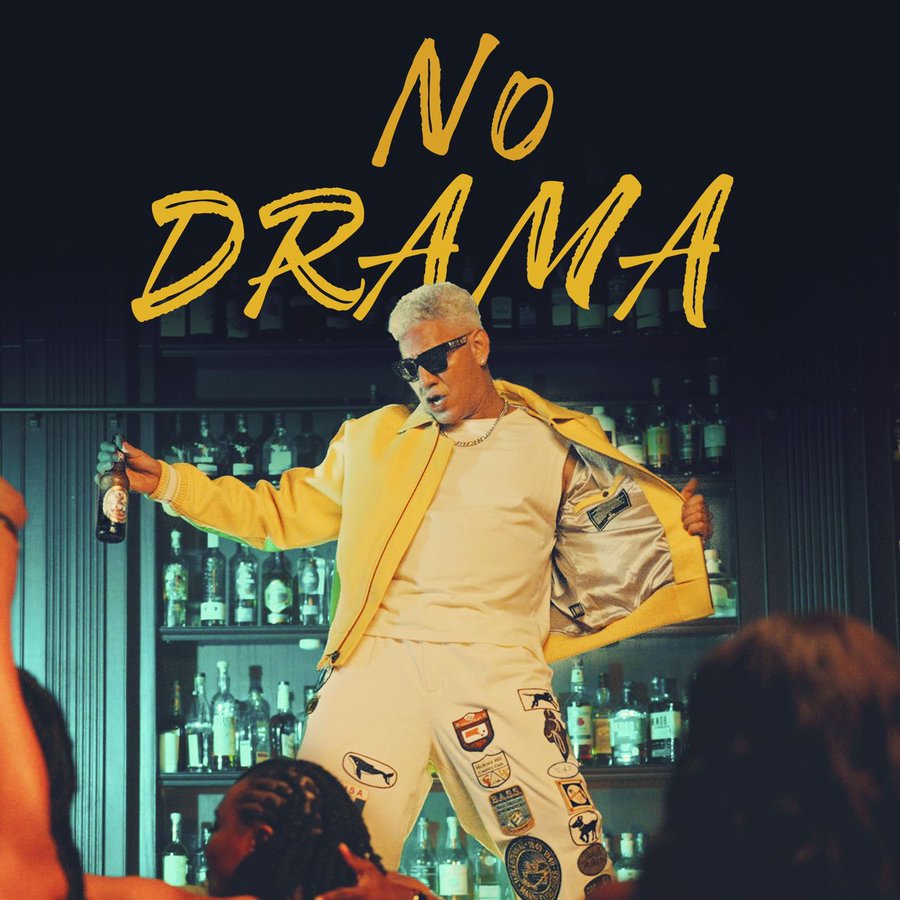
In the supplied transcription of Wendyyy’s “Picasso,” the comparison serves a clear purpose. He describes himself as inaccessible like Picasso, increasing in value like a Picasso painting, and producing projects that deserve to be called masterpieces. Picasso’s reputation becomes a framework for Wendyyy’s own claim to greatness.
This is recognizable egotrip: an artist borrows the stature of an established genius to elevate his own position. The comparison can be effective, but invoking Picasso is easier than demonstrating comparable innovation. Calling a project a masterpiece is an assertion the listener must evaluate.
The tension becomes sharper when Wendyyy attacks imitation. The same song that places him beside a famous painter criticizes competitors for copying him. An artist who treats imitation as evidence of another rapper’s weakness should be prepared to explain what makes his own use of familiar references distinctive.
That does not establish that he copied Jay-Z’s lyrics, music or complete concept. A shared name and a related appeal to artistic prestige establish a meaningful comparison, rather than a proven chain of influence. The strongest criticism concerns his rhetoric of exceptional originality: the reference itself cannot support that claim.
The supplied “Picasso” lyrics also associate genius with being misunderstood. That is convenient for an artist defending his own superiority. A listener’s difficulty understanding a song can reflect complexity, but it can also reflect unclear writing. Inaccessibility is not a certificate of intellectual depth.
“Stoïcien” presents another inherited vocabulary. T-Pain released Stoic through LiveMixtapes on September 30, 2012. It is a mixtape, rather than an established T-Pain song of that name. INDICA also has a release titled “STOIC,” documented on a DistroKid release page. These examples show that the label is familiar in American music; they do not prove that Wendyyy took his song from either artist.
Stoicism also predates hip-hop by centuries. The philosophical school originated around 300 BCE and places virtue at the center of a good life. Emotional toughness is only a partial basis for comparison; a philosophical identity requires more than presenting oneself as impossible to shake.
Nor did American rappers need that label to explore endurance. Tupac’s “Keep Ya Head Up,” Scarface’s introspective “Now I Feel Ya,” Z-Ro’s work and Kevin Gates’s “I Don’t Get Tired” offer points of comparison for discussions of hardship, persistence and emotional survival. Reading these concerns through a Stoic lens is an interpretation, rather than evidence that their authors formally practiced Stoic philosophy. The broader subject is nevertheless long established.
Wendyyy’s supplied “Stoïcien” transcription does contain substance. Its opening emphasizes discipline before action, reflection before decisions, and addressing problems before they grow. It also distinguishes possessions from loved ones and encourages restraint toward provocation. These ideas support the title, even if they do not make the theme new.
The song’s closing movement complicates that message. Reflection gives way to claims of monopoly, historical importance and the ability to unsettle opponents. The rapper presenting himself as unshakable also celebrates making others lose their composure.
That tension is worth more critical attention than the philosophical label alone. Does the song use self-mastery to examine the ego, or to give competitive boasting an intellectual costume? Its movement from practical advice toward declarations of superiority makes the second reading plausible.
The transcription’s treatment of free will raises another question. It describes free will as an illusion and suggests that people choose because they have no choice. Stoicism has its own complex account of causation and responsibility, so that statement is not automatically disqualifying. But the song leaves its relationship to deliberate action and personal accountability underdeveloped.
Placed together, the songs reveal a recurring artistic strategy. “Picasso” draws on the prestige of a celebrated painter; “Stoïcien” draws on the prestige of philosophy. Both support an image of Wendyyy as exceptional. The references help construct that image, while the writing still has to justify it.
None of this requires dismissing rap kreyòl as a mere copy of American music. Haitian artists can transform shared conventions through local experience, wordplay, humor and social commentary. Nor does a familiar theme automatically make a song weak. Originality can lie in execution rather than in inventing a subject nobody has used.
But admiration should demand that execution. Wendyyy’s claims of greatness deserve the same scrutiny he directs at competitors. He did not invent Picasso as a rap reference, Stoic vocabulary or the experience of surviving hardship. His contribution must emerge from what he makes of those materials.
Picasso’s reputation cannot paint Wendyyy’s originality for him. A Stoic title cannot supply the depth his writing must earn.